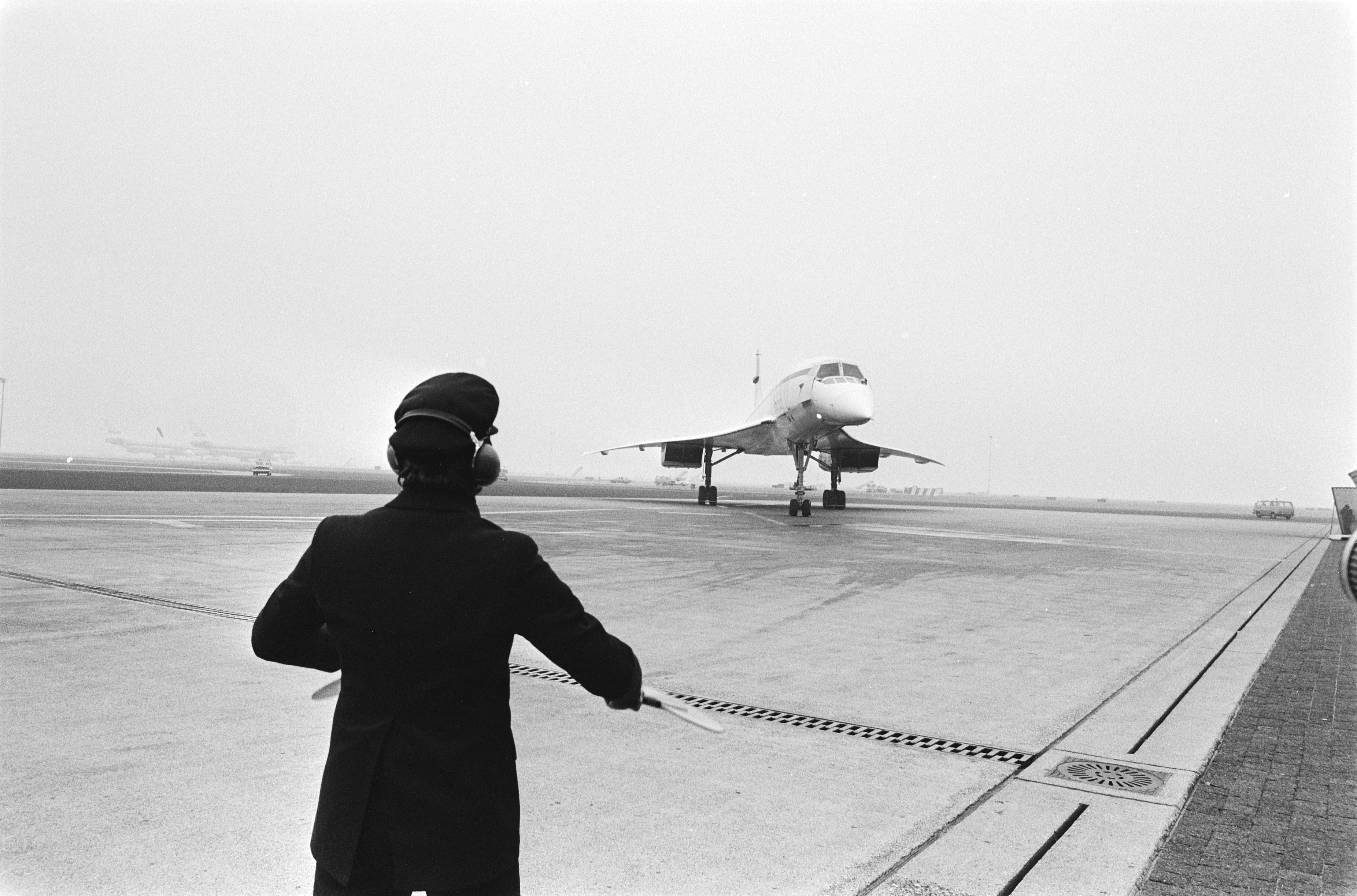
A Concorde airliner, its long white fuselage and drooped nose, on the ground

A homage · Jul 2026

Mach 2a homage to Concorde

The most beautiful thing we ever built to fly, and the only airliner that ever made the ordinary sky feel slow. An enthusiast's tribute — independent, and not affiliated with any airline.

Concorde flew passengers at twice the speed of sound for 27 years, and then stopped — and in the two decades since, nothing has replaced it. This is its life story, an honest look at whether it will ever have a successor, and an interactive globe where you can fly its most famous routes yourself.

The life of an aircraft

Born of a treaty, retired to a museum — the story of Concorde.

1962

Two governments, one gamble

On 29 November 1962, Britain and France signed a treaty to build a supersonic airliner together. Sharing the enormous cost and risk, they bet that the future of flight was faster, not just bigger — a bet no single company would have made alone.

1967

Rolled into the light

On 11 December 1967 the first Concorde, prototype 001, was rolled out at Toulouse. Long, white and impossibly sharp-nosed, it looked like nothing else — a shape drawn by the physics of flying at twice the speed of sound.
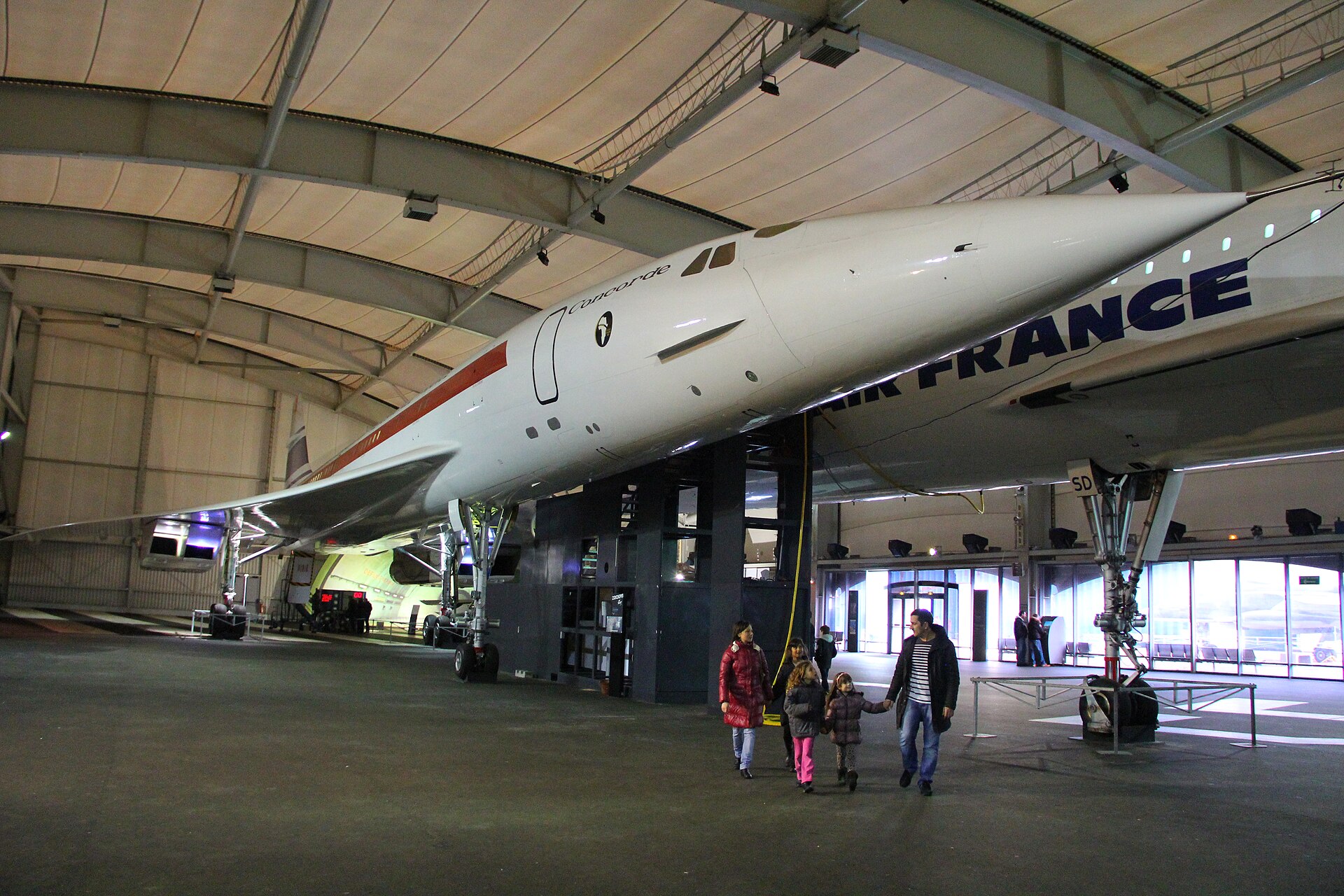
Concorde prototype 001, registration F-WTSS, preserved in a museum
Prototype 001 (F-WTSS), preserved. Photo: Clemens Vasters, CC BY 2.0.
1969

She flies

On 2 March 1969 André Turcat lifted 001 off the Toulouse runway for a careful 27-minute first flight. After years of drawings and doubt, Concorde was finally a real aircraft.
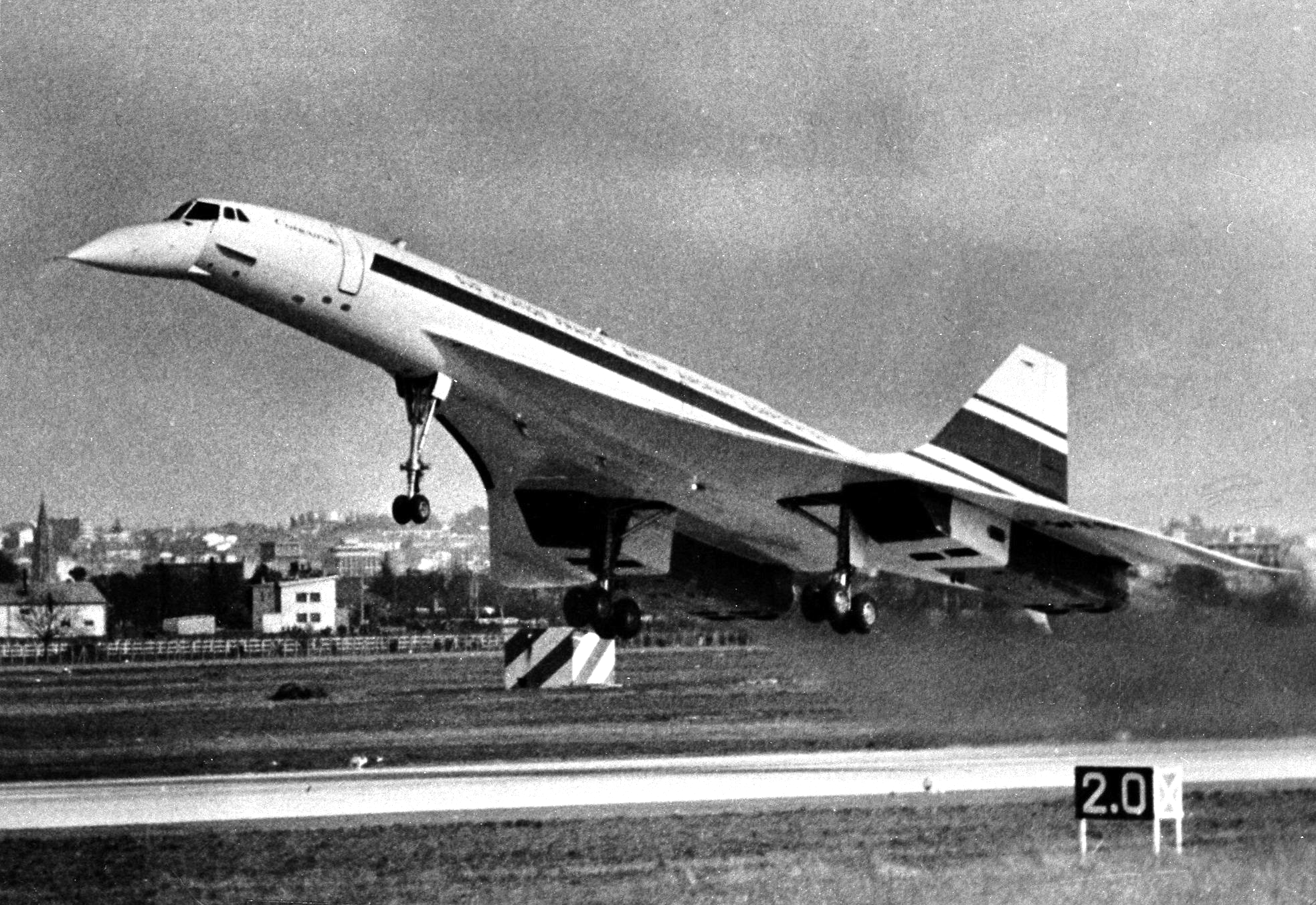
Concorde's maiden flight in 1969
The maiden flight, 2 March 1969. Restored photo, CC BY-SA 4.0.
1969

Through the barrier

Seven months later, on 1 October 1969, 001 pushed past the speed of sound for the first time. The following year it reached Mach 2 — the cruising speed it would keep for the rest of its life.
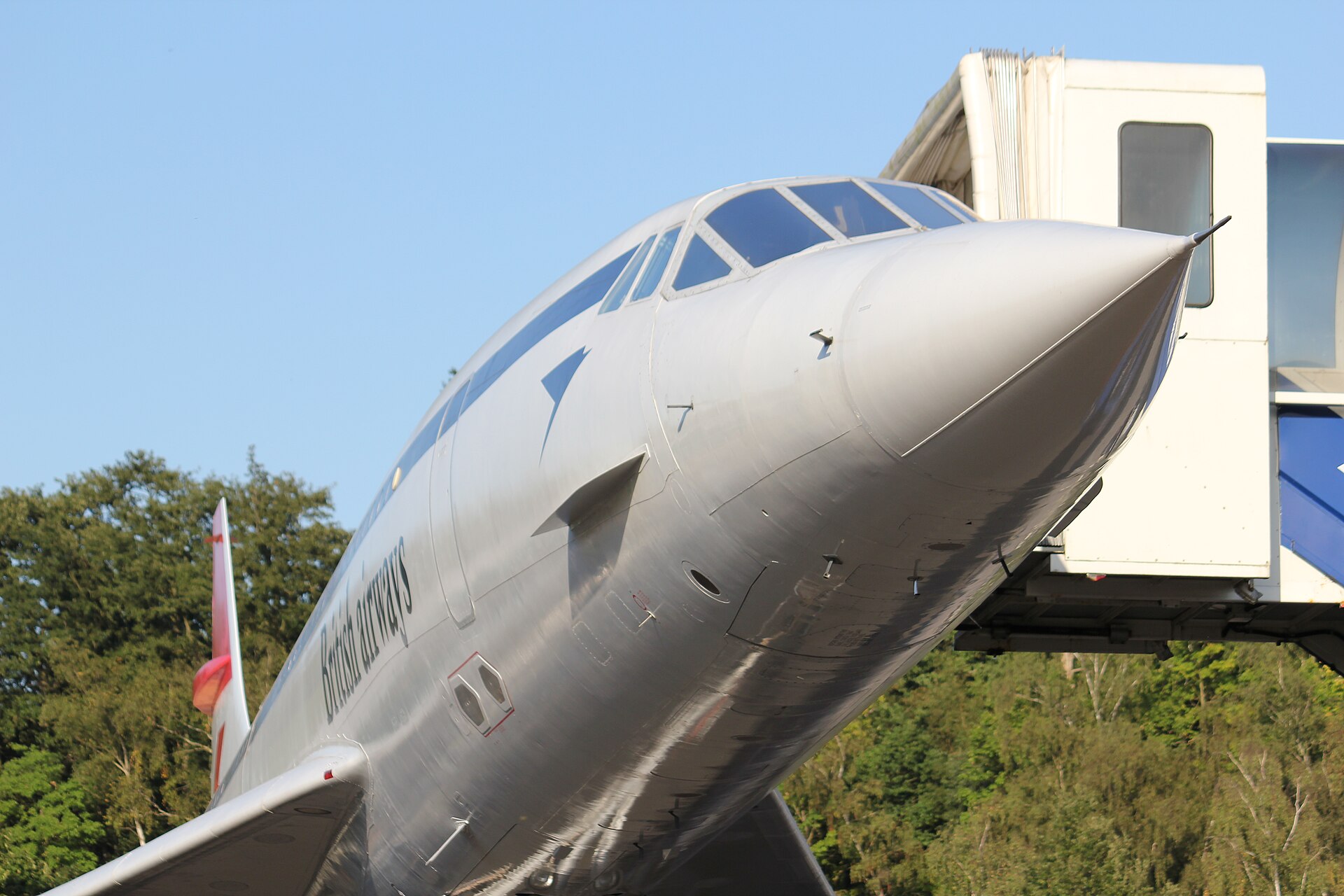
Concorde's distinctive drooping nose, close up
The drooping nose, lowered for landing. Photo: Tim Sheerman-Chase, CC BY 2.0.
1976

Open for business

On 21 January 1976 British Airways and Air France began the world's first scheduled supersonic passenger services on the same day. An ordinary ticket now bought a seat above the weather, at twice the speed of sound.
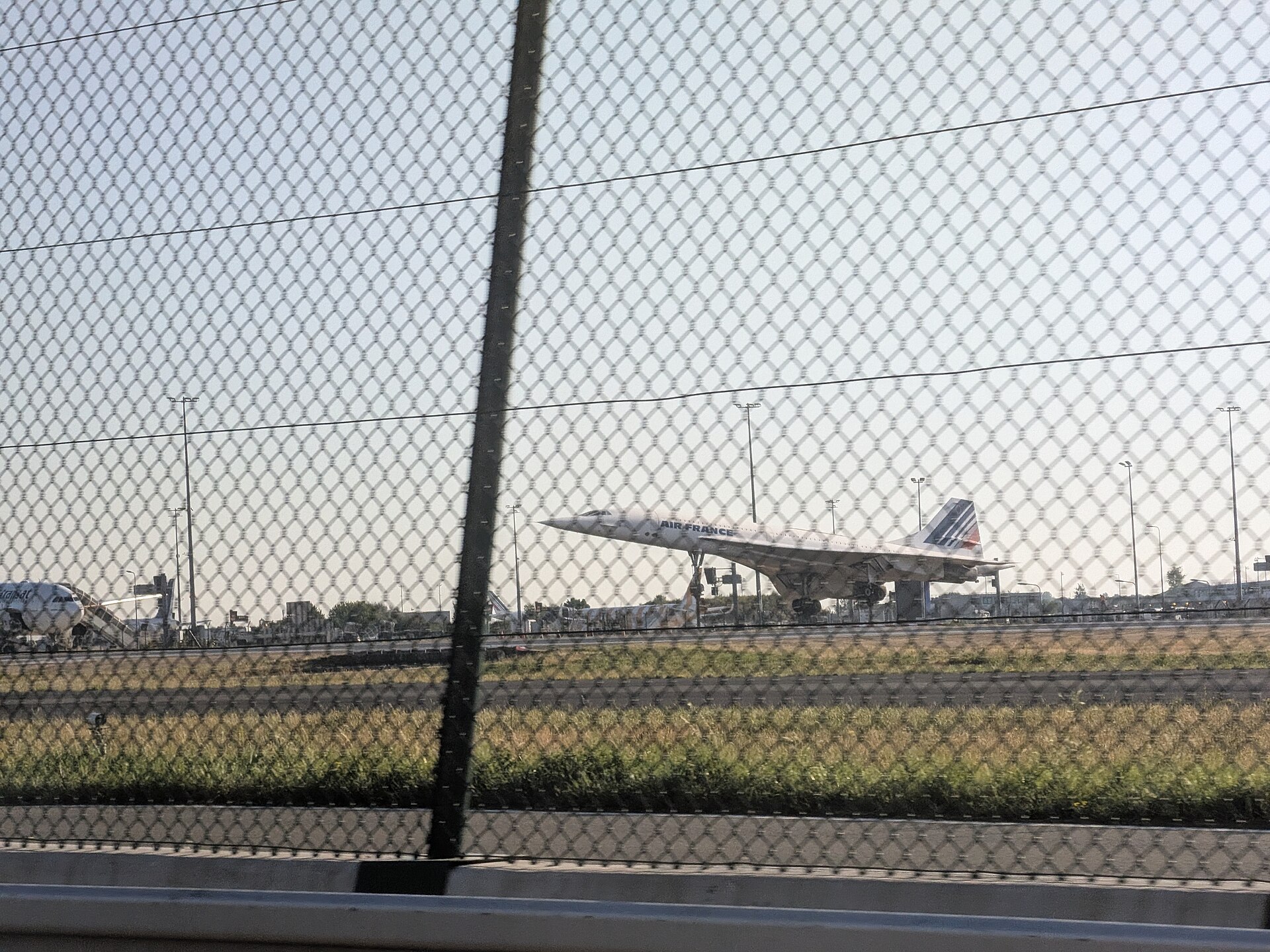
An Air France Concorde
An Air France Concorde. Photo: Syced, CC0.
1976–2000

Twenty-seven years above Mach 2

For a generation, Concorde carried presidents, pop stars and business travellers across the Atlantic in under three and a half hours. In 1996 one crossed from New York to London in 2h 52m 59s — a record that still stands. It was never cheap, and never quite profitable, but it was the fastest way for anyone to fly.
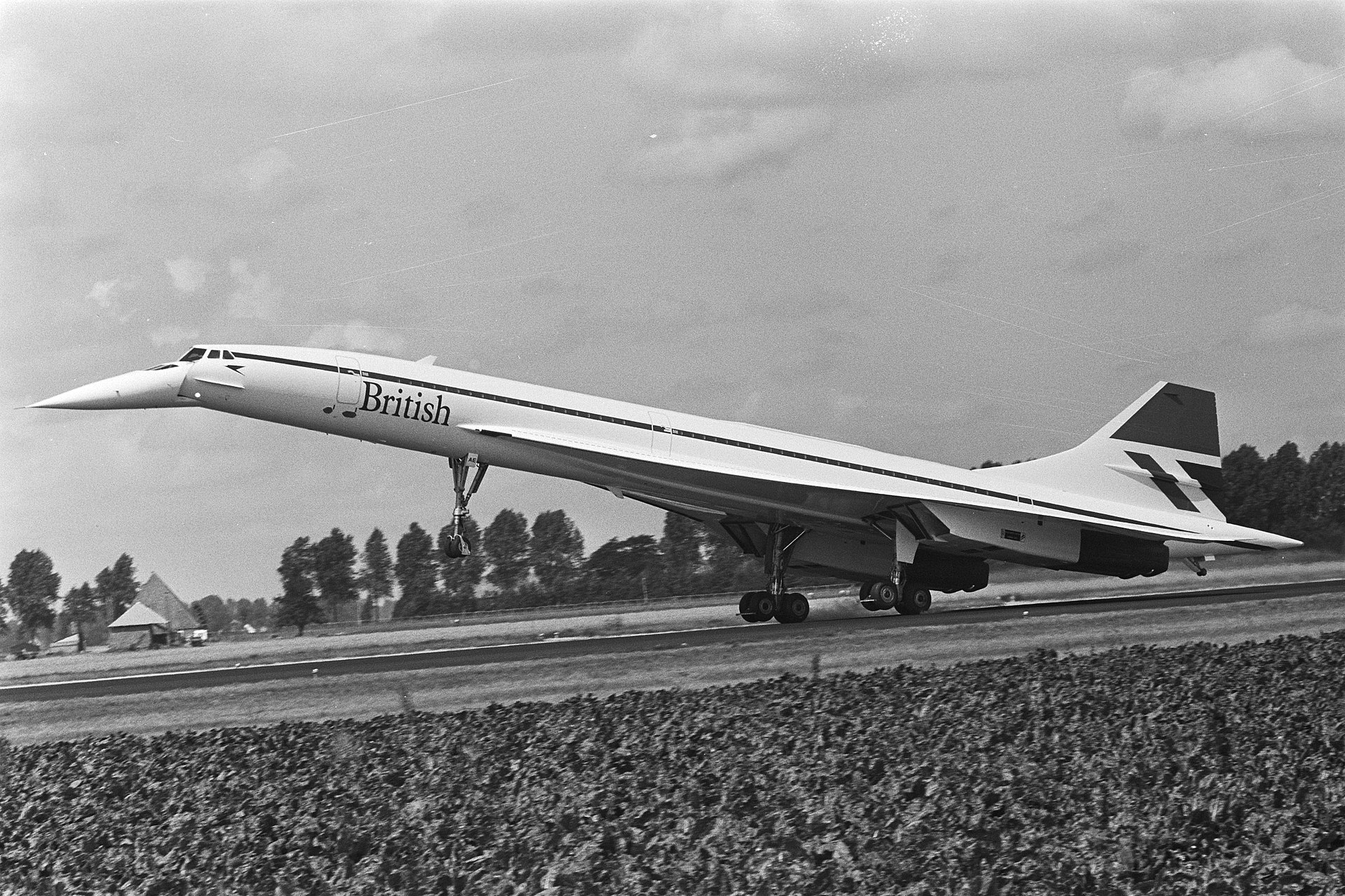
A Concorde visiting Schiphol during its service years
Concorde in its service years. Photo: Hans van Dijk / Anefo, CC0.
2000

A day that changed everything

On 25 July 2000 Air France Flight 4590 crashed shortly after take-off from Paris, killing all 109 people on board and four on the ground. It was Concorde's only fatal accident. The whole fleet was grounded while the cause — debris on the runway that ruptured a fuel tank — was found and fixed.
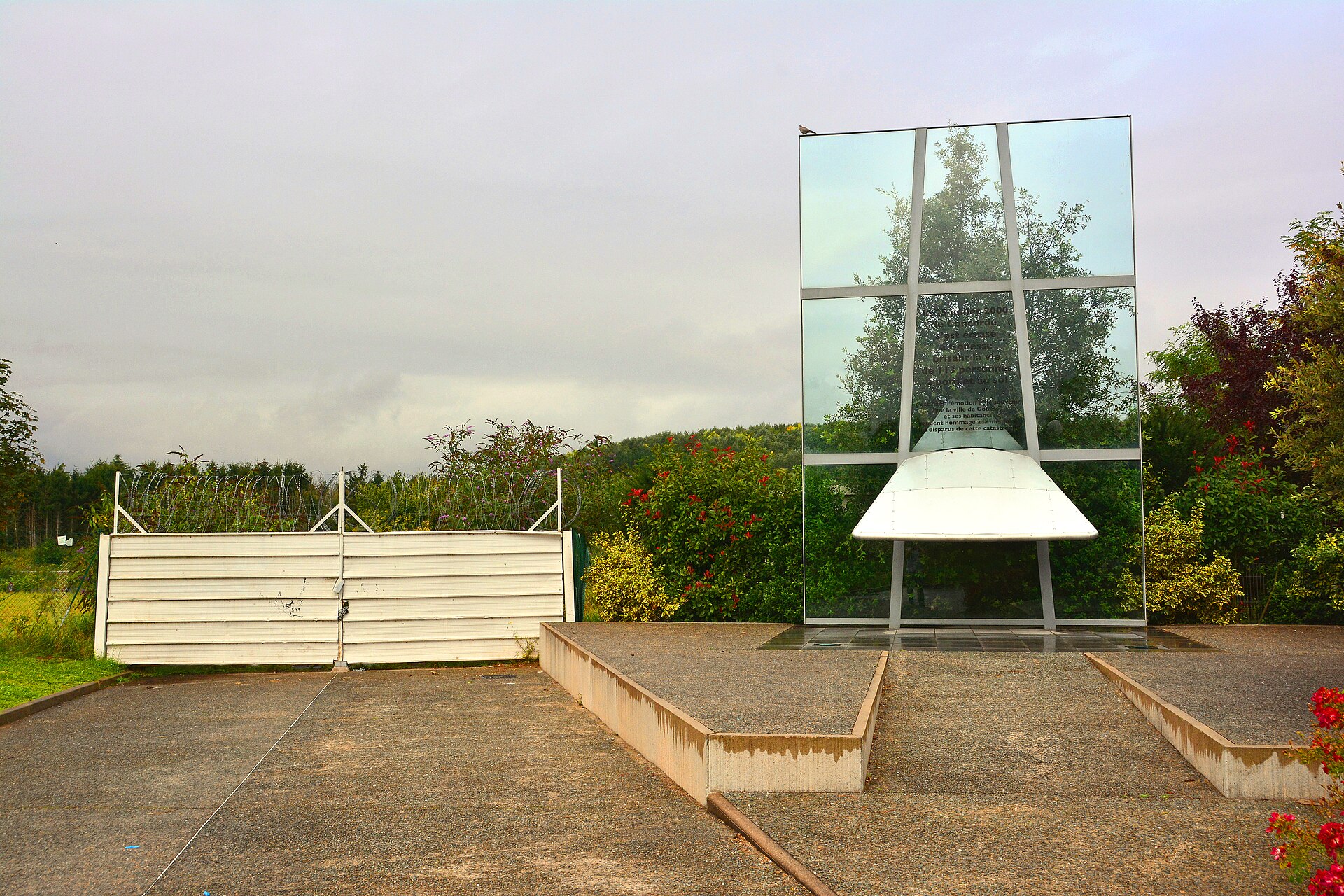
Memorial to the victims of the Concorde accident near Paris
The memorial near the crash site. Photo: Mike McBey, CC BY 2.0.
2001

Back in the air

After more than a year of modifications — tougher tyres, protected fuel tanks, reinforced wiring — Concorde returned to service in November 2001. But the world had changed, and passenger numbers never fully recovered.
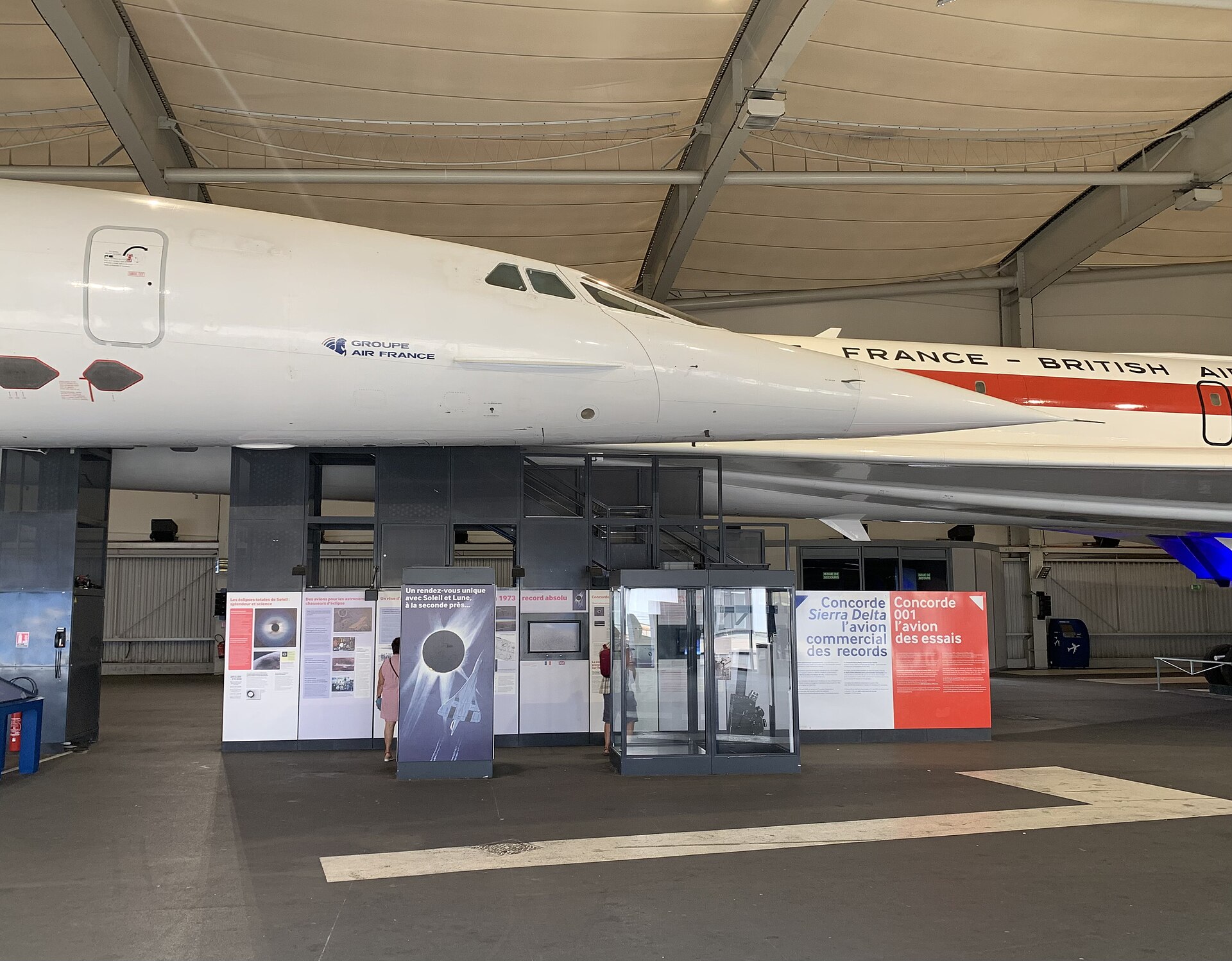
Two Concordes preserved side by side
Two Concordes, preserved. Photo: GerdeeX, CC0.
2003

The last landing

On 24 October 2003 British Airways flew Concorde's final commercial service, and three aircraft landed at Heathrow together before huge crowds. After 27 years, the age of supersonic airline travel was over.
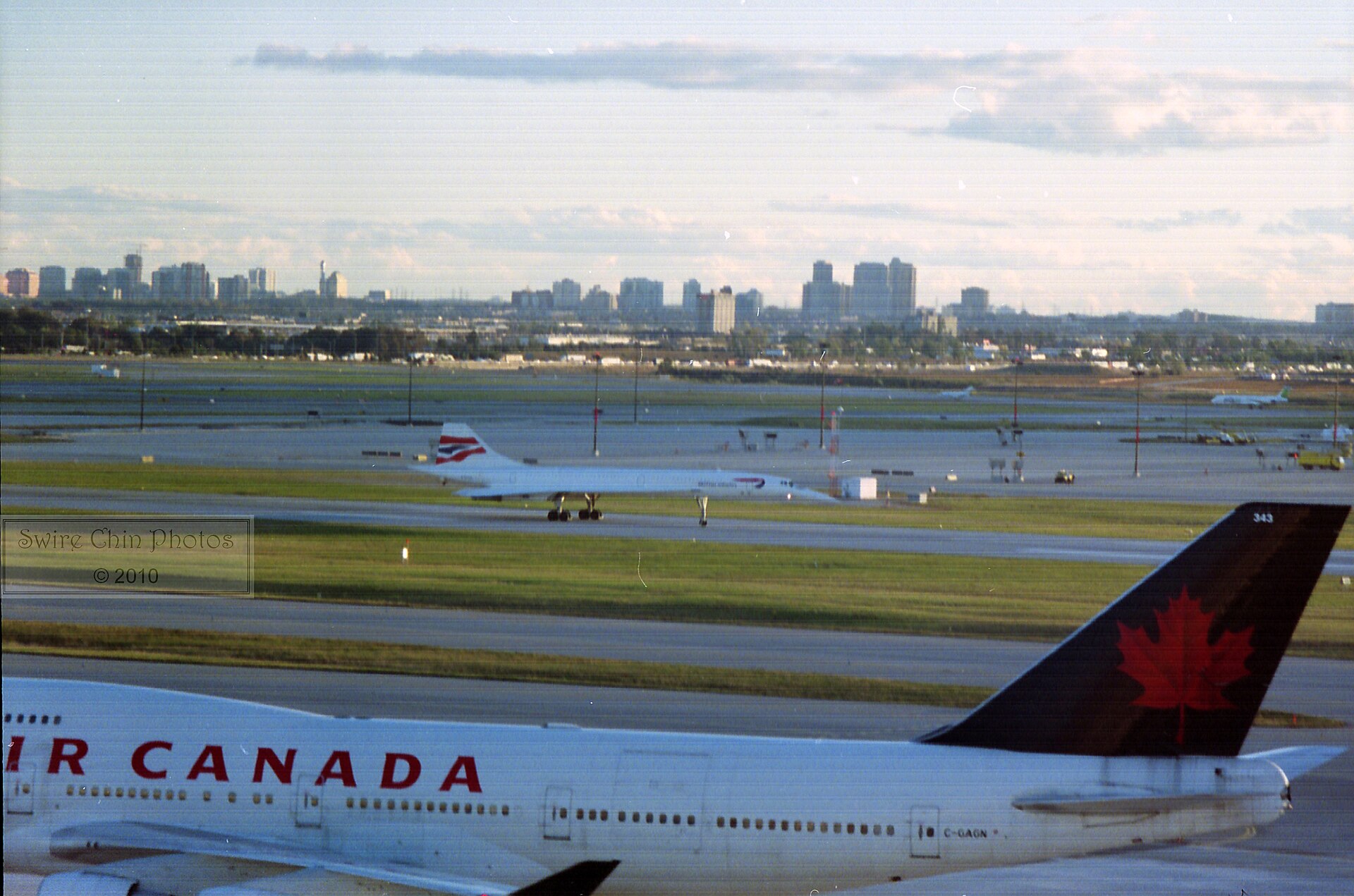
Concorde on one of its final flights in 2003
One of Concorde's last flights, 2003. Photo: Can Pac Swire, CC BY-SA 2.0.
Since

Nothing has replaced it

Two decades on, no airliner has flown passengers faster. Concorde remains the proof that supersonic travel is possible — and the standard any successor still has to beat.
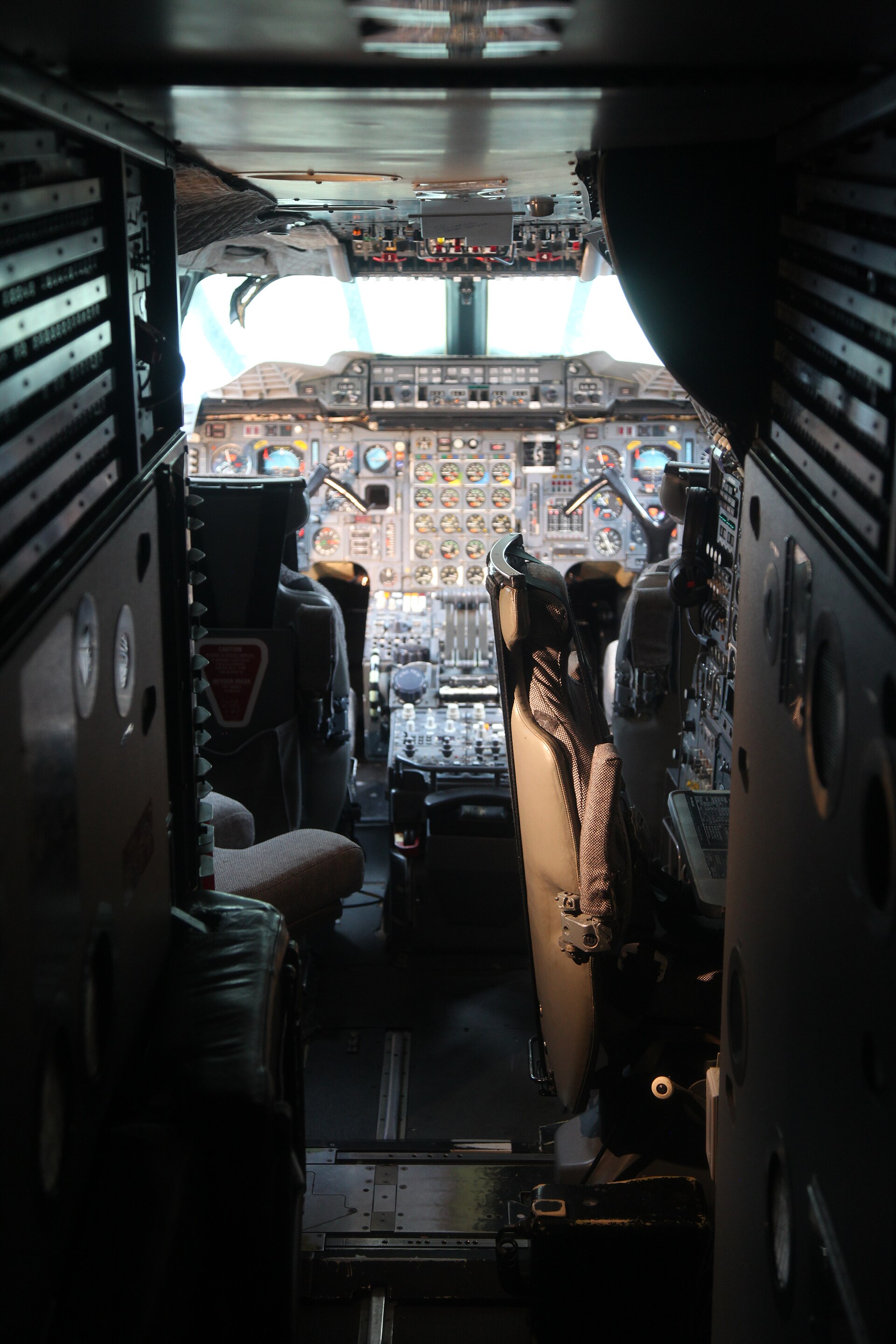
The analogue flight deck of Concorde
Concorde's analogue flight deck. Photo: dschwen, CC BY-SA 3.0.

The future

Will passengers ever fly supersonic again?

The most serious attempt is Boom Supersonic's Overture, a proposed 60–80 seat airliner meant to cross the Atlantic at about Mach 1.7. It isn't just slides: in early 2025 Boom's small XB-1 demonstrator actually flew supersonic — reaching roughly Mach 1.1 on 28 January 2025 and again on 10 February — the first civil supersonic flight over the United States, and proof that a modern start-up can build a working supersonic jet.

There is real momentum. In June 2025 a US executive order directed the FAA to lift the decades-old ban on overland supersonic flight, and Boom plans to roll out the first Overture airframe in 2026, with its own first flight expected later and airline service hoped for around the end of the decade. Several airlines have placed provisional orders.

The genuine promise

  • A demonstrator has actually flown supersonic
  • A friendlier US overland rule, for the first time in decades
  • Real airline interest and provisional orders
  • Modern materials, engines and design tools Concorde never had

The honest skepticism

  • Overland booms are still banned almost everywhere but the US
  • No engine exists yet — Boom must build "Symphony" from scratch
  • Concorde's economics — thirsty, few seats, premium-only — remain
  • "Net-zero" supersonic on sustainable fuel is unproven

So the honest answer is: maybe. The dream is credible again in a way it hasn't been since 2003 — but a demonstrator is not an airline, and Concorde's own history is a reminder that flying supersonic was always the easy part. Making it pay was the hard one.

Interactive

Fly the routes →

Concorde's most famous flights, on an interactive 3D globe — the eclipse chase, the speed record, the round-the-world dash, the last landing. Pick a mission, read the briefing, and fly the route yourself.

Open the flight globe →